Investing in a concrete batching plant is not just a short-term equipment purchase—it is a long-term strategic decision that directly influences productivity, project efficiency, and overall profitability in the construction industry. Contractors, developers, and infrastructure companies increasingly focus on owning their own production systems rather than relying on external suppliers, especially in regions where construction demand is rapidly growing.
When planning to buy concrete batching plant, investors must evaluate more than just the initial price. Factors such as production capacity, automation level, maintenance cost, and long-term operational efficiency all determine whether the investment will deliver sustainable returns over time.
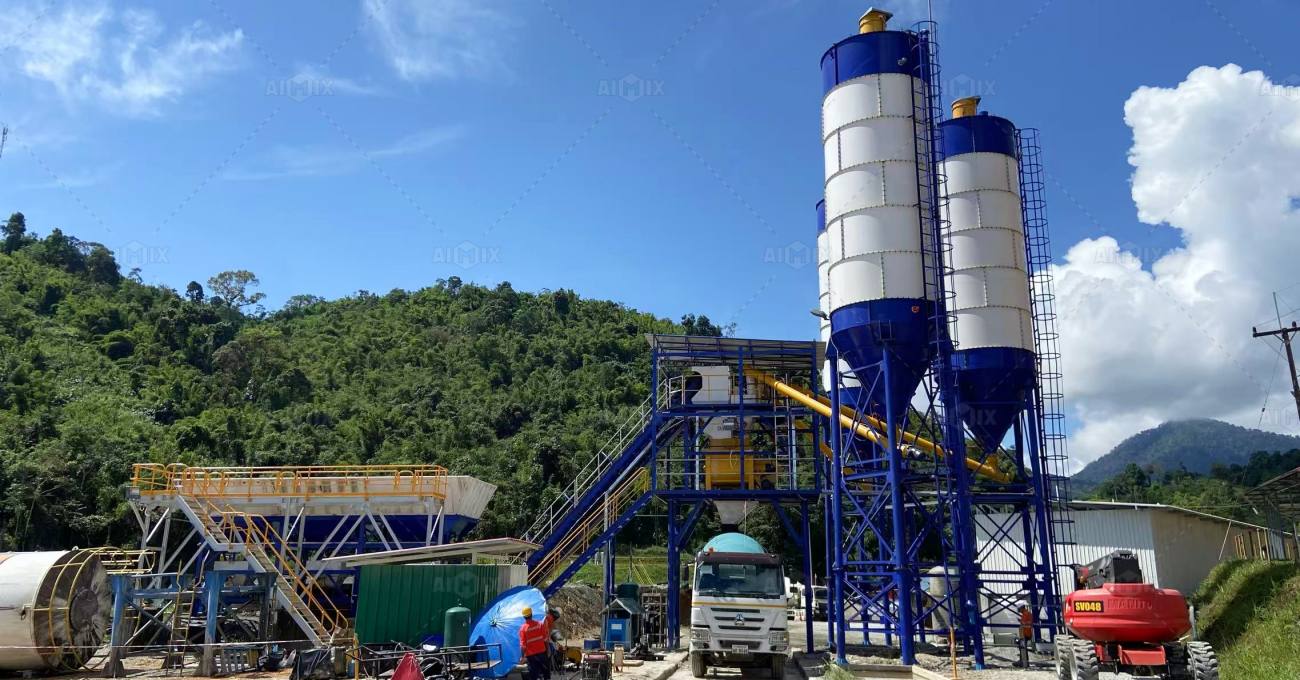
Long-Term Value of Investing in a Concrete Batching Plant
A concrete batching plant is a core production asset in modern construction. Owning a plant allows companies to control concrete quality, reduce dependency on third-party suppliers, and ensure timely delivery for critical projects such as highways, bridges, and commercial buildings.
From a long-term perspective, companies that buy batching plants gain significant cost advantages. Instead of purchasing ready-mix concrete at fluctuating market prices, they produce materials internally, stabilizing costs and improving project budgeting accuracy.
This strategic advantage becomes even more important in competitive markets where profit margins are tight and project timelines are strict.
On-Site Concrete Batching Plant Advantage
An on site concrete batching plant is one of the most efficient solutions for large or remote construction projects. Instead of transporting concrete from distant production facilities, the plant produces concrete directly at the construction site.
This approach significantly reduces transportation time, material waste, and risk of concrete quality degradation during transit. It also allows real-time production adjustments based on immediate project requirements.
On-site systems are especially valuable in infrastructure projects such as dam construction, mining operations, and highway development where continuous concrete supply is critical. The ability to produce concrete on demand ensures smoother workflow and minimizes downtime.
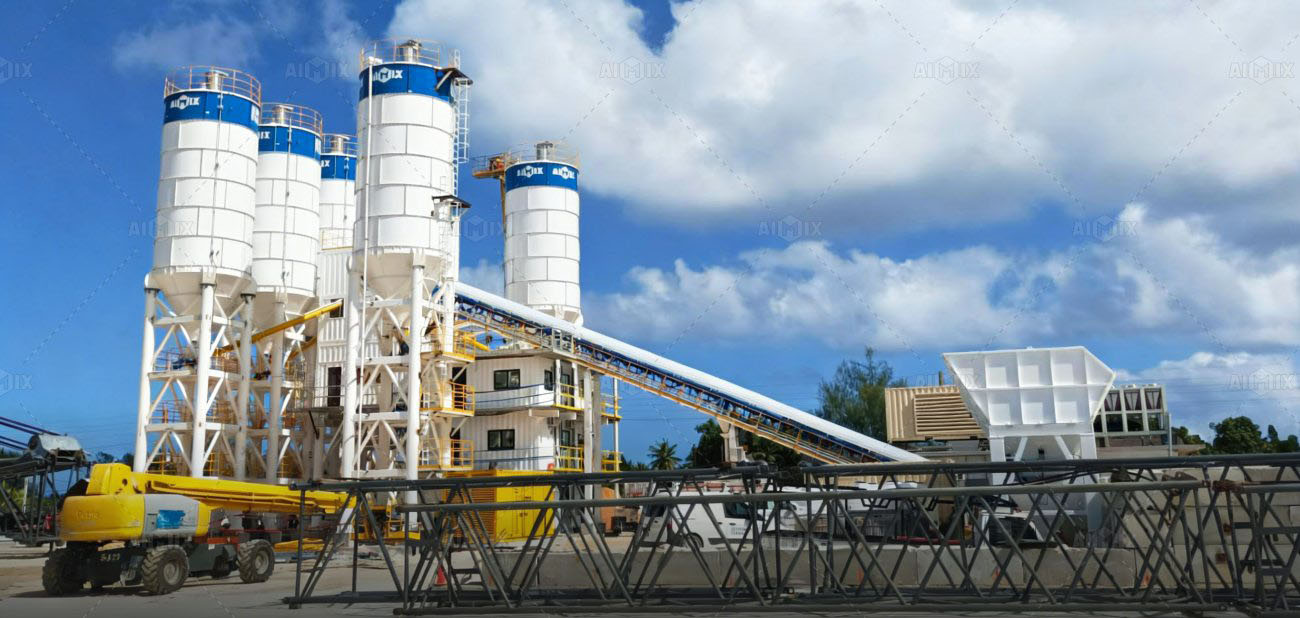
Market Opportunities in South Africa
The demand for construction materials in Africa is rapidly increasing due to urbanization, infrastructure development, and mining expansion. In particular, the market for concrete batching plant for sale in South Africa is growing steadily as contractors seek reliable and cost-effective production solutions.
Many construction companies in South Africa are shifting from purchasing ready-mix concrete to investing in their own batching plants. This helps reduce logistics costs and improves project independence, especially in remote mining and infrastructure zones.
Mobile and medium-capacity stationary plants are particularly popular in this region due to their flexibility and adaptability to different project scales.
Growing Demand in Australia
Australia’s construction industry is highly developed, with strong demand for infrastructure upgrades, residential expansion, and mining projects. As a result, the market for concrete batching plant for sale Australia continues to expand.
Australian contractors often prioritize high automation, environmental compliance, and energy efficiency when selecting batching plants. Strict environmental regulations also require advanced dust control and water recycling systems.
Investing in a high-quality batching plant allows Australian construction companies to maintain compliance while improving productivity and reducing long-term operational costs.
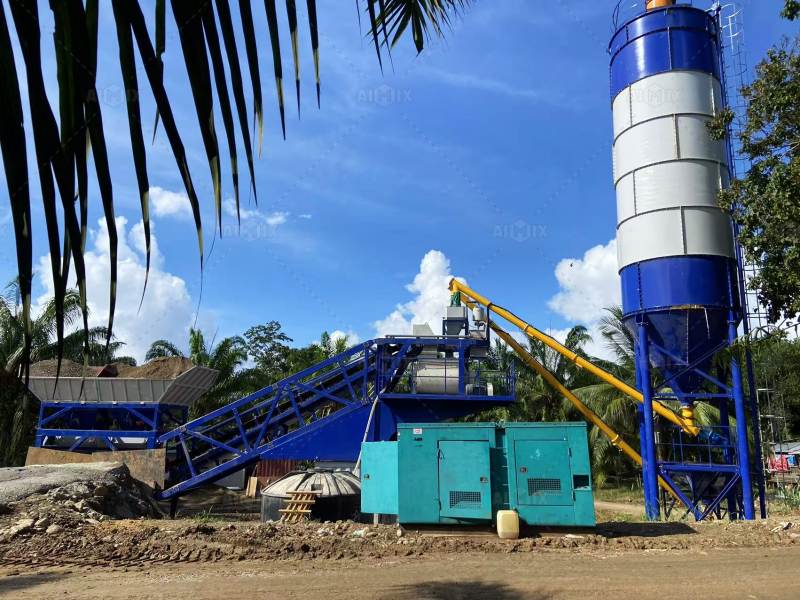
Key Investment Factors Before Buying
Before deciding to buy concrete batching plant, investors should carefully evaluate several key factors:
- Production capacity and expected daily output requirements
- Type of plant: stationary, mobile, or on-site configuration
- Level of automation and control system integration
- Maintenance requirements and spare parts availability
- Energy consumption and long-term operating cost
Each of these factors directly impacts return on investment and long-term operational efficiency. Choosing the wrong configuration may lead to unnecessary costs or production limitations in the future.
Technology and Efficiency Improvements
Modern batching plants are equipped with advanced technologies such as PLC control systems, automatic weighing systems, and real-time monitoring tools. These features improve production accuracy, reduce material waste, and ensure consistent concrete quality.
Automation also reduces reliance on manual labor, which is especially beneficial in regions with rising labor costs. Over time, these efficiency improvements significantly increase profitability and operational stability.
Conclusion
Choosing to buy concrete batching plant is a long-term investment decision that requires careful planning and strategic evaluation. Whether considering a concrete batching plant for sale in South Africa, exploring opportunities in concrete batching plant for sale Australia, or implementing an on site concrete batching plant for large infrastructure projects, the goal remains the same: improving efficiency, reducing costs, and ensuring reliable concrete supply.
With the right equipment selection and proper investment strategy, construction companies can achieve long-term profitability, stronger project control, and enhanced competitiveness in the global construction market.