Structural additions to existing houses in the UK often involve concrete work on sites that were never designed for modern construction access. Rear extensions, side returns, conservatories, garages, garden rooms, basement alterations, and new foundations may require concrete to be produced or delivered within a confined residential plot. Existing walls, parked vehicles, narrow driveways, neighbouring properties, drainage runs, and limited working hours can all complicate the operation. In these circumstances, the concrete mixer for sale UK is not merely a machine for producing material. Its size, mobility, output, loading method, and discharge arrangement can influence how efficiently the entire foundation or structural addition is constructed.
The appropriate equipment depends on the scale and geometry of the work. A small extension foundation may require only a modest volume of concrete, while a larger structural addition can involve several separate pours. Contractors therefore need to consider access before selecting equipment, then match production capacity with the actual concrete requirement. Where ready-mix delivery is straightforward, a conventional supply arrangement may be sufficient. Where access is restrictive or concrete must be produced progressively on site, compact or self-loading equipment can provide a different logistical pathway.
Assess the Existing House and Construction Access
Existing Structures Often Define the Working Envelope
House extensions are built beside structures that remain occupied or operational. The available working envelope may be only a few metres wide, particularly for side extensions and rear additions. Contractors must consider whether equipment can enter through a driveway, side passage, gate, or temporary opening without damaging existing surfaces or obstructing neighbouring properties.
Foundation Geometry Influences Concrete Placement
An extension foundation may contain strip footings, reinforced ground beams, pads, slabs, or a combination of these elements. Each arrangement creates a different concrete placement pattern. A narrow trench may be accessible from one side, whereas a rear foundation could be separated from the vehicle access point by the existing house itself. The pumping or discharge method should therefore be considered alongside the foundation layout rather than after concrete arrives on site.
Site Measurement Should Come Before Equipment Selection
Before choosing a mixer, contractors can measure gate width, driveway clearance, turning space, available standing area, and the distance from material storage to the pouring location. These simple measurements often reveal whether a conventional truck can access the site or whether a smaller production method is more appropriate.
Match Mixer Capacity to the Scale of the Extension
Small Residential Pours Benefit From Proportionate Equipment
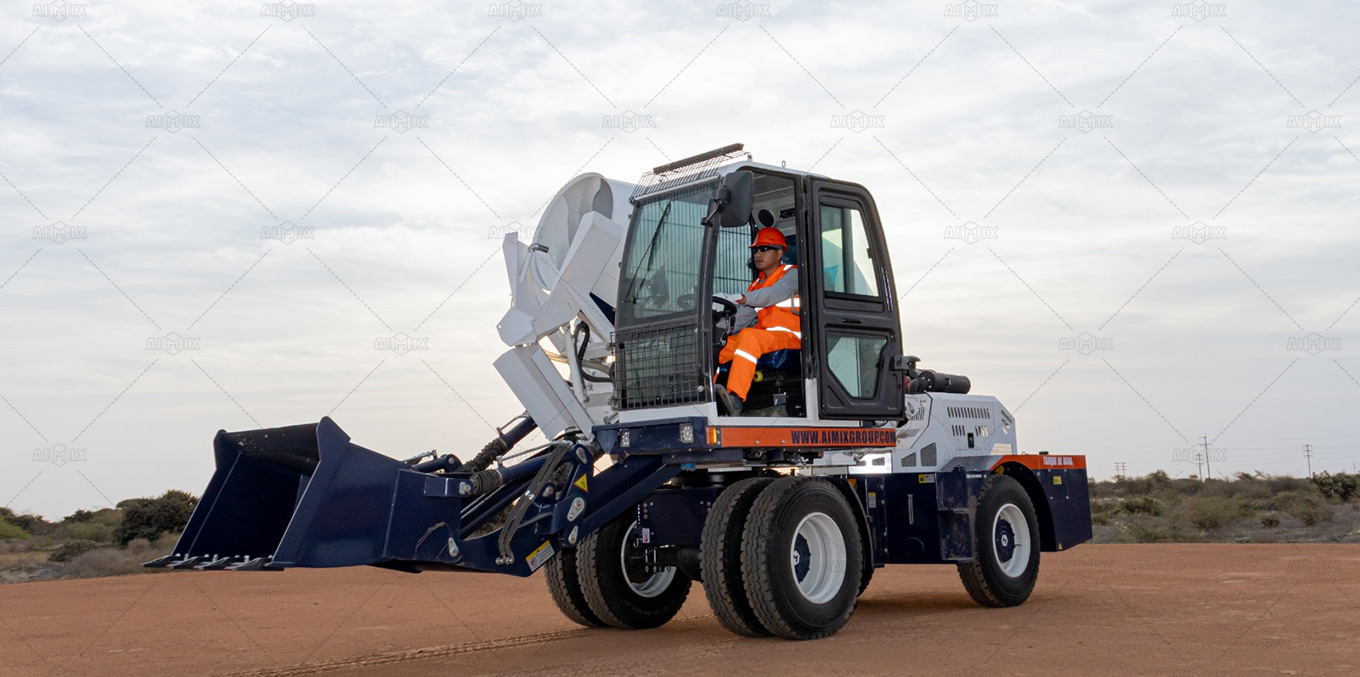
For limited foundation work, a mini cement mixer UK solution may be appropriate when concrete volumes are modest and the crew needs flexibility rather than high-volume production. Compact mixers can be easier to position within residential environments where space is at a premium. The key consideration remains whether the practical mixing output can keep pace with the planned pour and crew productivity.
Self-Loading Equipment Can Combine Several Concrete Tasks
Some structural additions require repeated batches rather than one large delivery. A self loading concrete mixer for sale UK can combine aggregate loading, weighing, mixing, and material movement within one machine. This arrangement can reduce the number of separate equipment interfaces on a constrained house-extension site. It may also allow the contractor to produce concrete according to the progress of the foundation rather than arranging a large volume in advance.
Production Flexibility Matters When Pour Volumes Vary
Extension projects rarely have the same concrete requirement at every stage. Foundations, slabs, posts, retaining elements, and external works can each require different quantities. A mixer that can produce smaller batches when required may therefore provide greater operational flexibility than equipment selected solely for its maximum output.
Consider How Concrete Reaches Areas Beyond Direct Truck Access
Separate Production and Placement When Necessary
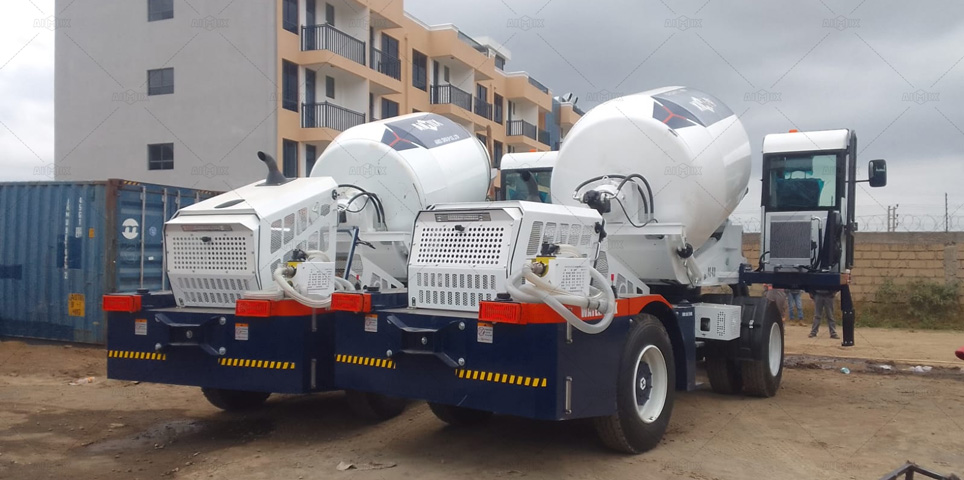
Some UK residential sites have sufficient room for concrete production but not for direct vehicle access to the final placement point. In such cases, contractors can position the mixer at an accessible location and move fresh concrete toward the foundation using an appropriate handling or pumping system. This approach is useful when an existing house blocks a direct route between the street and rear construction area.
Larger Projects May Require Higher Production Capacity
For substantial structural additions, a large concrete mixer for sale may be considered when the planned concrete volume and pouring schedule justify greater production capacity. However, larger equipment also demands more operating space, material supply, and access clearance. On residential sites, the machine’s physical dimensions can become a constraint before its production capacity does.
Concrete Supply Should Follow the Pouring Sequence
Whether the mixer is compact or large, production should be synchronized with placement. If concrete is produced faster than workers can place and compact it, the site can become congested. If production is too slow, the pour may be interrupted. The practical target is a steady material flow that matches the foundation geometry, workforce, and planned construction sequence.
Reduce Disruption During Residential Construction
Equipment Positioning Can Affect Neighbours and Site Traffic
Residential construction takes place close to occupied properties, public roads, pedestrians, and neighbouring driveways. Mixer positioning should therefore leave adequate access for workers while minimizing unnecessary vehicle movements. Noise, material storage, washout arrangements, and delivery timing can also influence how the concrete operation is organized.
Compact Equipment Can Support More Flexible Site Planning
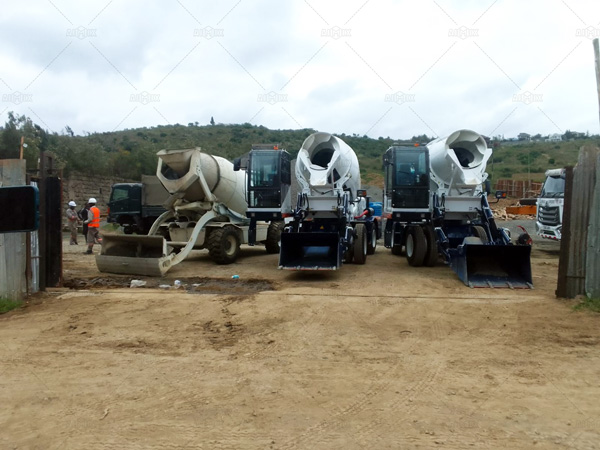
A mini concrete mixer may allow the contractor to establish a concrete production point within a restricted section of the property rather than relying entirely on roadside operations. This can simplify the movement of aggregates and fresh concrete when the project layout changes during construction. The advantage comes from matching machine dimensions to the actual site rather than assuming that higher capacity is always preferable.
Future Construction Stages Should Be Considered
Access can become progressively tighter as walls, slabs, drainage systems, and landscaping are installed. Equipment selection should therefore account for the full construction sequence. A mixer that fits comfortably during foundation excavation may become difficult to relocate later. Early planning helps prevent the concrete operation from becoming an obstacle to subsequent structural work.
Concrete mixers support UK house extensions by giving contractors different ways to manage production according to site scale and access conditions. The decision is shaped by foundation volume, available working space, material handling, placement distance, and the sequence of construction activities. For a compact extension, a small mixer may provide sufficient flexibility. For repeated or larger pours, self-loading or higher-capacity equipment can provide greater production continuity. The underlying principle remains straightforward: concrete equipment should fit the existing house, the available working envelope, and the actual demands of the structural addition.