Concrete placement becomes a logistical problem when the location where concrete is produced or delivered is separated from the actual pouring area. This situation is common on Nigerian construction sites with deep foundations, narrow entrances, congested urban plots, elevated slabs, drainage structures, bridge works, and projects surrounded by existing buildings. A mixer truck may reach the site but still be unable to approach the final placement point. Contractors must then create a controlled route between concrete supply and the structure. That route may involve a pump, pipeline, flexible hose, or a combination of production and concrete pumping equipment.
The appropriate arrangement depends on more than the distance between two points. Contractors need to examine elevation changes, pipeline bends, foundation depth, access roads, concrete volume, aggregate size, workability, available operating space, power supply, and the required placement rate. A difficult pouring area can often be managed by moving the concrete production point rather than trying to move the entire delivery vehicle closer to the structure. The objective is a continuous and predictable flow from mixing to final placement.
Identify Why the Final Pouring Area Is Difficult to Reach
Restricted Access Can Separate Delivery From Placement
Construction sites rarely remain static. Excavations, reinforcement cages, formwork, temporary structures, scaffolding, and other machinery can gradually reduce the available route for concrete trucks. A site entrance may accommodate a mixer truck, while the internal work area does not. In urban projects, neighboring buildings, roadside traffic, walls, and utility infrastructure can impose additional restrictions.
Rather than treating the inaccessible pouring point as a vehicle-access problem, contractors can separate concrete delivery from concrete placement. The mixer discharges at an accessible position, while pumping equipment transfers the concrete through a planned pipeline. This creates a secondary concrete route without requiring the delivery vehicle to occupy the work face.
Vertical Depth Can Be More Challenging Than Horizontal Distance
Deep foundation excavations illustrate this distinction clearly. The truck may be positioned safely at ground level, but the concrete still needs to travel downward into the excavation and reach several points within the foundation. Similarly, upper-floor slabs may require concrete to travel vertically before reaching the placing crew. Pipeline length, elevation, bends, and pressure requirements therefore need to be considered together.
Pipeline Geometry Should Be Planned Before Equipment Arrives
A pumping route should follow the actual construction geometry rather than being improvised during the pour. Contractors should determine where the pump can stand, where the delivery truck can discharge, how the pipeline will be supported, and where the final hose will be positioned. Reducing unnecessary bends and avoiding unstable pipe sections can make the placement route easier to manage.
Use Pumping to Bridge the Gap Between Delivery and Placement
Mobile Pumping Systems Can Adapt to Changing Sites
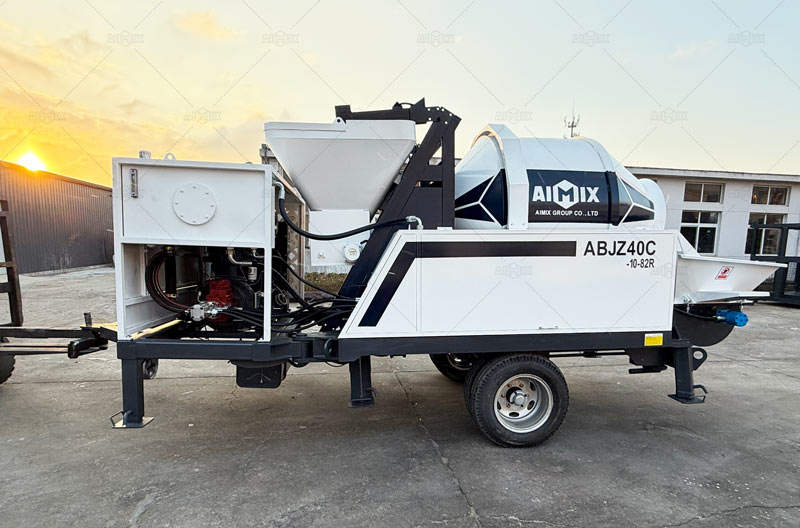
A mobile concrete pump in Nigeria can be relocated as the construction site develops. This is particularly relevant for contractors working across multiple projects or handling foundations and structural pours at different positions within one large development. Instead of requiring a mixer truck to remain beside every pouring area, the pump can establish a controlled connection between the accessible discharge point and the final placement zone.
Mobility also matters on projects where the access route changes during construction. A pump positioned for foundation work may later need to support columns, slabs, retaining walls, or other structures. The machine’s footprint, transport method, setup requirements, and pumping capacity should therefore be considered alongside the immediate pour.
Line Pumping Works When the Placement Route Is Long or Obstructed
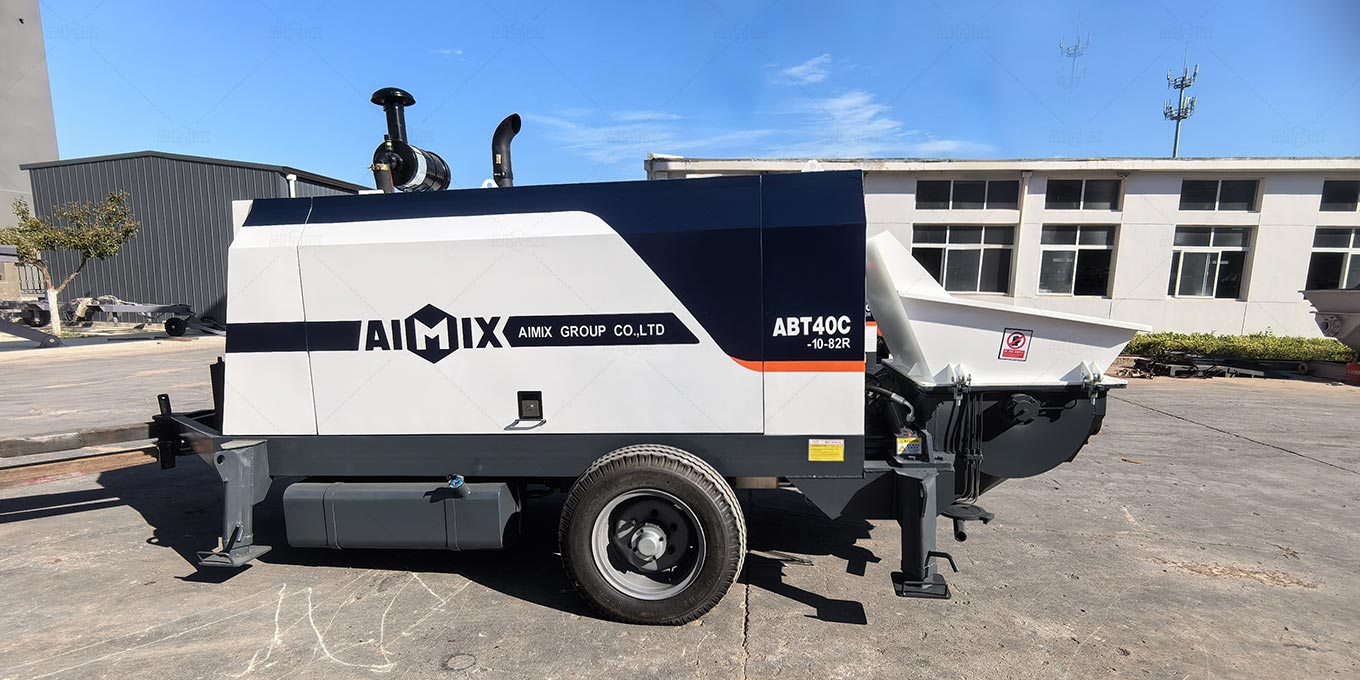
A line pump in Nigeria can be useful when concrete needs to travel through a defined pipeline rather than being discharged directly from the delivery vehicle. The pipeline can be routed around obstacles or extended toward a remote section of the site. This arrangement is particularly relevant to foundations, tunnels, drainage structures, industrial floors, and building projects where direct vehicle access is limited.
Pipe Diameter and Concrete Characteristics Must Work Together
Pipeline performance depends partly on the concrete itself. Aggregate size, mix consistency, workability, and pumping distance should be considered when establishing the pumping arrangement. An unsuitable mix can increase resistance within the pipeline, while an overly complicated route can make pumping less efficient. Contractors should therefore coordinate concrete specifications with the selected pumping system rather than treating the pump as an isolated piece of equipment.
Match Equipment Size to the Concrete Volume and Site Footprint
Smaller Projects May Benefit From Integrated Mixing and Pumping
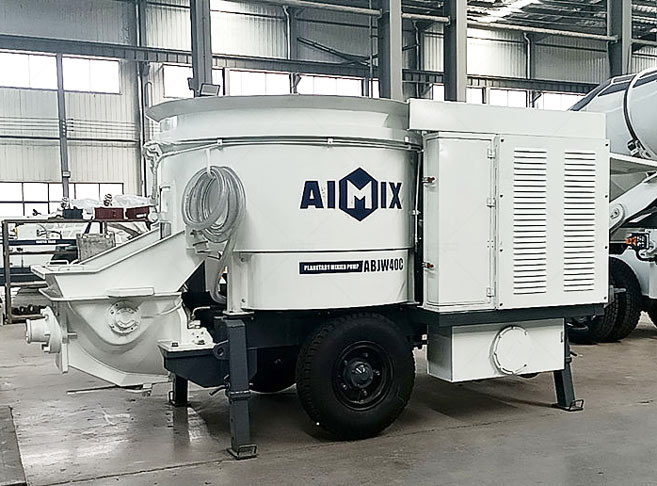
Some difficult-access projects do not require a separate batching plant, mixer fleet, and pumping unit. A concrete mixer pump in Nigeria combines concrete preparation and pumping within one equipment arrangement. This can be relevant to smaller building foundations, rural structures, residential developments, drainage works, and repair projects where concrete demand is distributed or relatively moderate.
The advantage is primarily logistical. Aggregate and cement can be brought to a manageable production point, concrete can be mixed close to the project, and the fresh material can then be pumped toward the final placement area. This can reduce the number of equipment interfaces that need to be coordinated during a small or fragmented pour.
Compact Pumps Can Fit Narrow Construction Environments
Not every inaccessible pouring area requires a large pumping system. A mini concrete pump for sale in Nigeria can be considered where the foundation volume is limited and the available operating area is constrained. Residential construction, small commercial structures, repair work, and confined foundation projects may have little room for equipment staging.
Compact equipment should nevertheless be selected according to actual pumping requirements. A smaller footprint does not eliminate the need to verify concrete mix compatibility, pumping distance, vertical rise, pipeline configuration, and expected output. The machine must still provide sufficient performance for the planned pour.
Equipment Footprint Can Influence the Entire Site Workflow
On a crowded site, every machine occupies valuable working space. Contractors should identify where delivery trucks will stop, where the pump will operate, where materials will be stored, and how workers and other machinery will move around the equipment. A technically capable pump can still create a bottleneck if its position blocks the only access route to the construction area.
Coordinate Concrete Supply With the Pumping Schedule
Continuous Placement Requires Consistent Concrete Availability
Pumping equipment cannot maintain a continuous pour if concrete supply is intermittent. When the final placement point is difficult to reach, coordination becomes even more important because additional handling stages may exist between delivery and placement. Contractors should establish the expected concrete volume, delivery interval, pumping rate, and crew capacity before the pour begins.
If concrete arrives faster than the placing crew can handle, congestion can develop around the discharge point. If delivery is too slow, the pump may remain idle and the placement sequence can become fragmented. The practical target is a balanced flow that keeps the pump, delivery system, and placing crew synchronized.
Site Conditions Should Be Rechecked Before Each Major Pour
Access conditions can change quickly. Rain may affect ground conditions, construction materials may occupy previously available space, and newly installed structural elements can alter the pipeline route. Contractors should therefore inspect the access path and pumping position before major pours rather than relying entirely on the original site plan.
Emergency Access and Cleaning Should Be Part of the Plan
A concrete pumping arrangement also needs space for routine cleaning, maintenance, hose handling, and potential blockage management. These activities should not be treated as afterthoughts. A practical setup provides enough room for operators to work safely without obstructing the rest of the construction site.
Build the Concrete Route Around the Final Pouring Point
Work Backward From the Structure
The most useful planning method is to start at the final pouring area and work backward. Identify where concrete must enter the foundation, slab, wall, or structural element. Then determine the pipeline route, pump position, discharge point, and concrete production or delivery location. This approach exposes access constraints before mobile pump concrete is mobilized.
Consider How the Site Will Change During Construction
A route that works for a foundation pour may become unsuitable when columns, walls, or other structures are completed. Contractors should consider whether the selected equipment can be repositioned or whether the pipeline can be reconfigured for subsequent stages. Flexibility is particularly valuable on projects where several concrete pours occur at different elevations or locations.
When the final pouring area is difficult to reach in Nigeria, the solution is rarely determined by distance alone. The practical concrete route is shaped by access, elevation, pipeline geometry, concrete characteristics, equipment footprint, production capacity, and construction sequence. By separating concrete delivery from final placement when necessary and matching the pumping system to the actual site conditions, contractors can maintain a more controlled flow of concrete even when the work face is difficult for conventional mixer trucks to reach.