Investing in concrete production equipment is a critical financial and operational decision for construction firms, infrastructure contractors, and commercial concrete suppliers. Choosing the right machinery directly impacts project timelines, concrete quality, and long-term operating costs. Whether you are expanding a commercial production facility or supplying remote job sites, knowing how to assess both equipment specifications and manufacturer credentials is essential.
Here is a comprehensive guide to evaluating the core factors when purchasing stationary and mobile concrete batching plants.
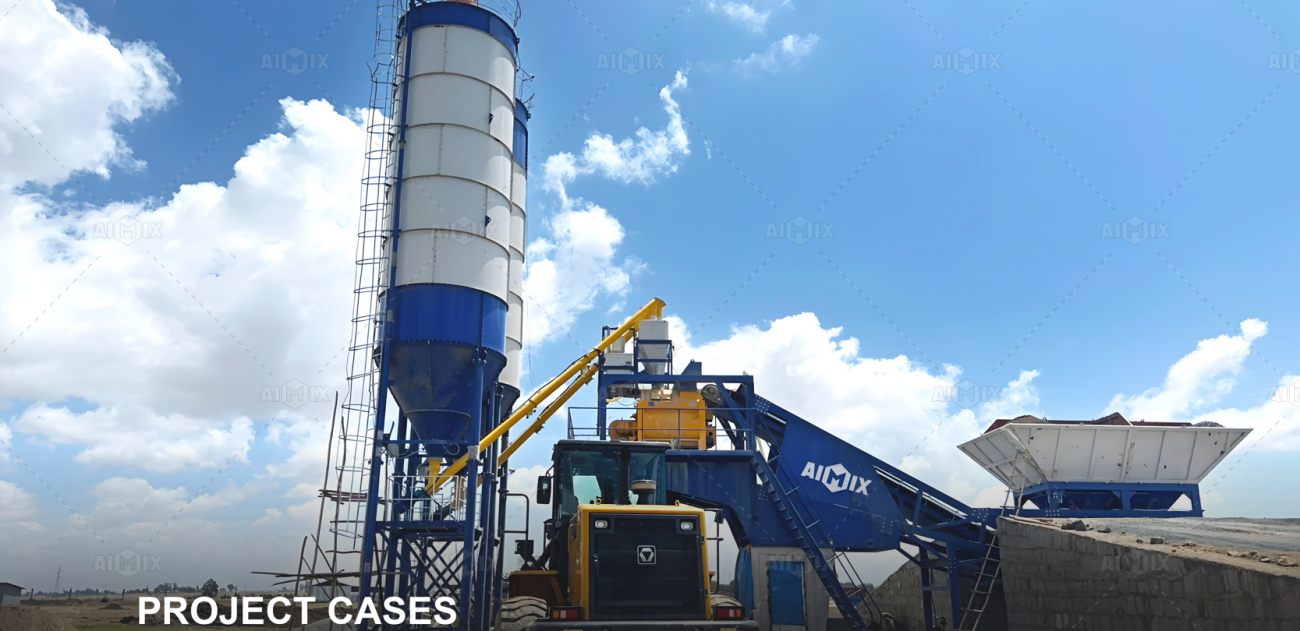
1. Production Capacity and Project Scalability
The primary consideration when selecting a concrete plant is matching its hourly output with your actual demand. Oversized plants lead to unnecessary capital expenditure and high idling costs, while undersized plants risk project delays and equipment overwork.
- Large-Scale Commercial Supply: For central, high-volume production intended to serve multiple urban construction sites, a stationary ready mix concrete batching plant provides the consistency, high output (ranging from 60 m³/h to over 240 m³/h), and heavy-duty durability needed for continuous operations.
- Flexible, On-Site Demands: For linear infrastructure projects such as highways, bridges, airport runways, or short-term regional developments, selecting a high-efficiency mobile concrete batching plant for sale allows you to produce concrete directly on-site, drastically reducing transit times and concrete setting risks.
2. Mobility and Installation Footprint
Site conditions heavily dictate the structural design of the plant you need. Consider spatial constraints and how frequently the plant will be relocated:
- Stationary Plants: Require substantial concrete foundations, dedicated aggregate bins, and permanent enclosure structures. They are optimized for long-term placement.
- Mobile & Portable Plants: Feature fully integrated chassis, kingpin towing mechanisms, and quick-setup designs (often erectable within 1–3 days). If your projects involve frequent site relocations or limited space, browsing options for a portable concrete batch plant can provide compact, highly maneuverable solutions without compromising batch precision.
3. Batching Precision and Automation Systems
Concrete strength and durability strictly depend on exact mix formulations. Modern plants must incorporate reliable load cells, precise liquid additive meters, and computerized Control Systems (PLC). Look for batching software that offers real-time moisture compensation, formula storage, manual/automatic dual-mode switching, and detailed material usage reports to guarantee compliance with local building standards.
4. Evaluating Manufacturer Strength and Quality Compliance
High-performing hardware requires the backing of an experienced, reliable manufacturer. Beyond looking at product brochures, buyers should thoroughly assess the vendor’s industrial capability.
Leading ready mix concrete plant suppliers should demonstrate robust manufacturing practices, including automated welding, strict ISO/CE certifications, high-grade steel fabrication, and top-tier component sourcing (such as premium motors, air compressors, and electrical controls). Verifying factory scale, production technology, and testing facilities ensures that the equipment can withstand harsh working conditions over years of operation.
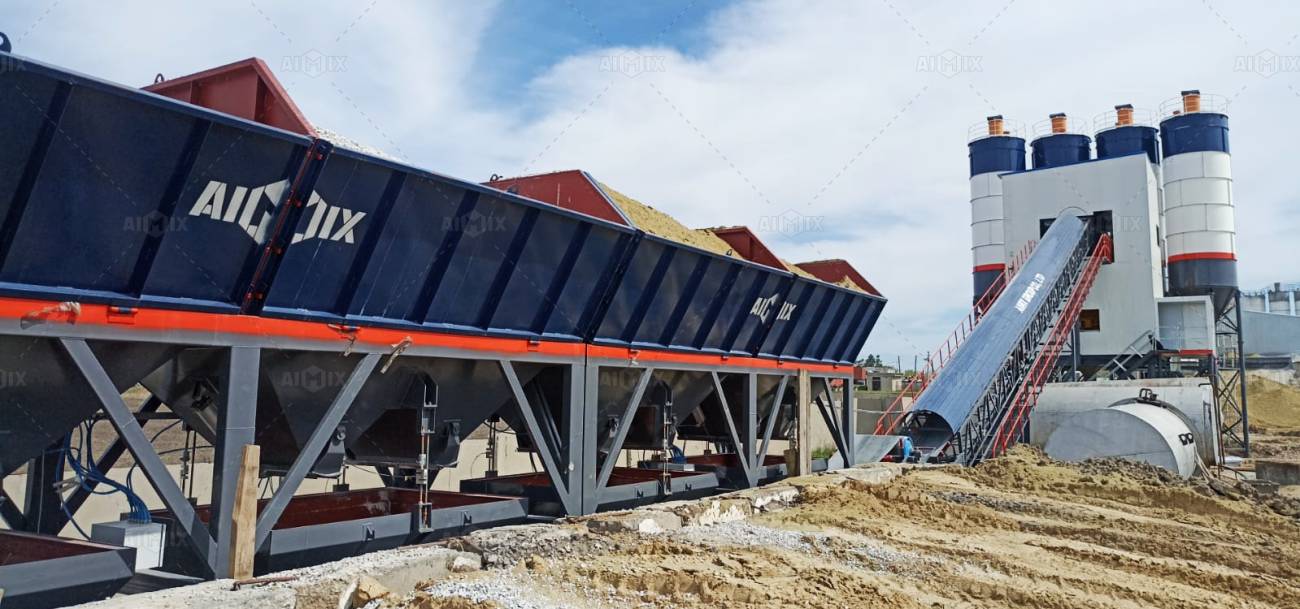
5. After-Sales Support and Total Cost of Ownership (TCO)
Purchasing a plant is only the beginning of its lifecycle. Evaluating the manufacturer’s service support is critical to maintaining continuous operation:
- Spare Parts Availability: Ensure wear parts (mixer liners, mixing blades, conveyor belts) are readily available and standardized.
- Technical Assistance: Confirm whether the supplier provides on-site foundation design support, installation guidance, operator training, and 24/7 remote technical support.
- Operational Cost Analysis: Consider long-term energy consumption, routine maintenance needs, and residual resale value rather than focusing solely on the initial purchase price.
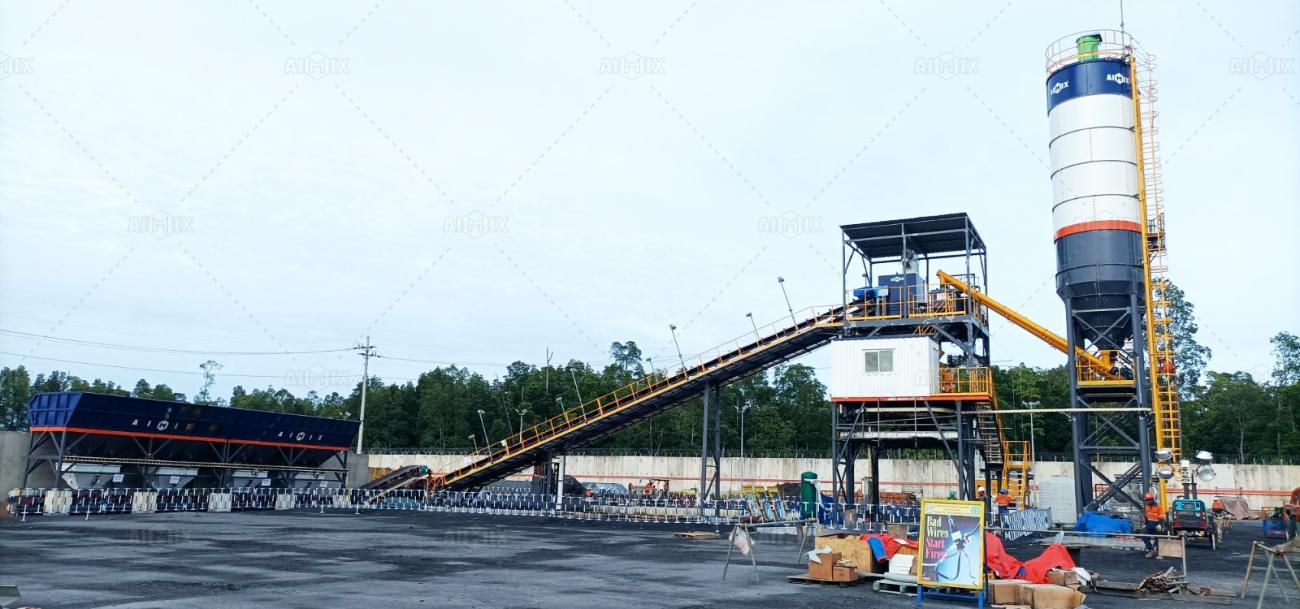
Selecting the ideal concrete batching plant requires balancing capacity, mobility, site constraints, and total operational costs. By prioritizing exact equipment matching and partner capabilities, contractors and suppliers can secure reliable performance, ensure strict concrete quality control, and maximize their return on investment across all project environments.