Short-run drainage projects across Selangor often involve concrete placement in narrow roadside drains, residential developments, shop-lot extensions, industrial compounds, and urban flood-mitigation works. These jobs may require only a limited volume of concrete, but they still demand accurate placement, steady delivery, and careful coordination with other trades. Bringing a large pumping system to a small worksite can create unnecessary transport, setup, and access complications. A small mobile concrete pump offers a practical alternative when contractors need to move concrete through pipelines into confined or awkward locations. For contractors comparing a concrete pump in Malaysia, the key consideration should not simply be maximum pumping capacity. It should be whether the equipment can handle the required concrete mix, reach the placement point, operate within site constraints, and move efficiently between short-duration jobs. In Selangor’s varied urban and suburban environments, these factors can directly affect daily productivity.
Why Small Mobile Concrete Pumps Suit Short-Run Drainage Work in Selangor
Short Distances Do Not Always Mean Easy Concrete Placement
Drainage construction often appears straightforward because the structures are relatively small. In practice, concrete must frequently be placed along narrow channels, behind roadside barriers, inside housing developments, or beside existing buildings where access is restricted. Workers may have limited room to maneuver wheelbarrows, while direct discharge from a concrete truck may be impractical. A small mobile pump helps bridge this gap between concrete supply and the actual placement point. Concrete can travel through a delivery pipeline instead of being manually transported over the entire distance. This reduces repeated handling and allows workers to concentrate on positioning, levelling, and finishing the concrete. Consider a contractor repairing several sections of roadside drainage in Petaling Jaya. The working area may be partially occupied by parked vehicles, utilities, pedestrian access routes, and traffic-control barriers. A compact pumping unit can be easier to position than a larger system, provided the available space, pipeline route, and required output are suitable.
Mobility Matters When One Contractor Handles Several Small Jobs
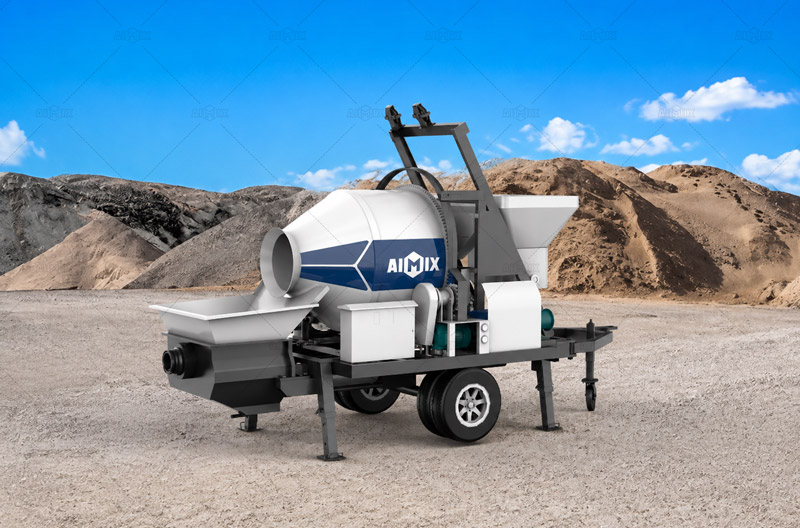
Short-run drainage contracts rarely involve one uninterrupted concrete pour. A contractor might complete a roadside channel on one day, move to a residential drainage section the next, and then undertake a small culvert or drain-cover project elsewhere. Equipment relocation and preparation therefore become important operational considerations. A mobile concrete pump in Malaysia can support this work pattern by allowing the pumping unit to be transported between sites. However, mobility alone does not guarantee fast deployment. Contractors should also consider the machine’s transport dimensions, loading arrangements, setup requirements, cleaning procedure, and access to the next worksite. The commercial argument is straightforward: equipment that suits short-duration jobs should spend less time being transported, prepared, and repositioned relative to the productive work performed. A compact unit is particularly useful when the contractor has recurring small pours rather than a continuous high-volume project.
How to Match Pump Capacity, Pipeline Layout, and Site Conditions
Choose Practical Output Rather Than Maximum Theoretical Capacity
The appropriate pump capacity depends on the volume of concrete required, the available placement window, the crew’s finishing speed, and the time needed to prepare each section. A pump with excessive output may offer little benefit if workers cannot place and finish concrete at the same rate. Conversely, an undersized unit may extend the pour and disrupt the construction sequence. For small drainage works, contractors should estimate the concrete volume for each section before selecting a model. For example, a channel measuring 30 metres long, 0.4 metres wide, and 0.2 metres deep has a theoretical concrete volume of 2.4 m³ before allowing for variations in dimensions, foundations, and site conditions. This simple calculation helps establish the approximate quantity to be placed. Actual pumping output will depend on the concrete mix, pipeline diameter and length, vertical lift, bends, and equipment specifications. Published maximum output should therefore be treated as a reference rather than a guaranteed site production rate. When comparing a mini concrete pump for sale in Malaysia option, ask suppliers for the rated output, maximum aggregate size, delivery pressure, and recommended mix characteristics. The objective is to select a machine that matches the work without introducing unnecessary operating complexity.
Account for Pipeline Distance, Bends, and Changes in Elevation
Drainage projects can require concrete to pass around obstacles or reach locations that are inaccessible to the pump itself. A pipeline may run alongside a road, cross a narrow working area, or extend into a trench. Every additional bend, length of pipe, or change in elevation can influence pumping resistance. Contractors should map the intended pipeline route before confirming a machine. Check the distance from the pump to the farthest placement point, the required vertical lift, the number of bends, and whether the pipeline can be securely supported. A unit’s published horizontal and vertical delivery limits should not automatically be assumed to apply simultaneously under every operating condition. For instance, a contractor installing drainage channels in a developed area of Shah Alam may have adequate space for the pump but limited access to the final pouring location. A carefully planned pipeline can solve the access problem, yet the layout must remain within the pump manufacturer’s operating recommendations.
Match the Pump to the Concrete Mix and Site Environment
Concrete pumpability depends on more than slump alone. Aggregate grading, maximum particle size, cementitious content, workability retention, and mix consistency all influence whether concrete can travel through the pipeline without segregation or blockage. Drainage structures may require different concrete mixes depending on the design, exposure conditions, and structural function. Contractors should follow the project’s approved mix specification instead of changing the mix simply to make pumping easier. The pump supplier and concrete supplier should confirm compatibility before work begins. Selangor’s hot, humid conditions and frequent rainfall also warrant practical planning. Concrete can lose workability during delays, while rainwater entering excavations may affect the prepared base and placement conditions. Arrange concrete deliveries to suit the actual pumping sequence, protect the work area where necessary, and avoid leaving concrete in the delivery system longer than the manufacturer’s operating guidance allows.
Buying Considerations for Contractors Handling Multiple Small Projects
Compare Portability, Setup, and Maintenance Requirements
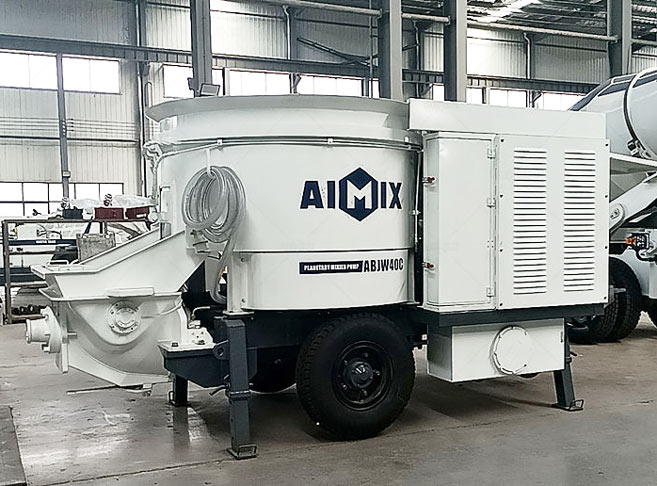
Contractors considering a portable concrete pump Malaysia solution should assess the complete operating arrangement rather than the machine alone. Important details include the transport vehicle required, setup time, pipeline accessories, cleaning access, routine maintenance, and availability of replacement parts. A compact trailer mounted concrete pump may be suitable where a towing vehicle can reach the worksite and the setup area is reasonably level. Other small pumping configurations may be preferable when site access, concrete delivery arrangements, or placement requirements differ. The correct choice depends on the specific machine design and the contractor’s work pattern. Before purchasing, request the manufacturer’s technical specifications and clarify which accessories are included. Confirm the pump’s power source, maintenance intervals, recommended spare parts, operator training requirements, and cleaning procedure. These details help contractors estimate the actual resources needed to keep the equipment working across multiple sites.
Evaluate Total Operating Value When Comparing Pumps for Sale
Searching for a concrete pump for sale Malaysia will reveal equipment with different capacities, pumping mechanisms, power systems, and price points. Comparing purchase prices alone can obscure meaningful differences in suitability and operating requirements. A more useful evaluation considers the frequency of small drainage contracts, expected concrete volume per job, transport costs, crew requirements, setup time, maintenance needs, and the machine’s ability to serve other applications. A unit used several times each week may justify a different investment from one reserved for occasional repair work. Contractors should also distinguish between rated performance and verified operating conditions. Ask for specifications covering concrete output, delivery pressure, aggregate compatibility, and permitted pipeline configurations. Where possible, discuss representative site scenarios with the supplier before committing to a model. The most economical arrangement is not necessarily the smallest or cheapest pump. It is the one that meets the project’s technical requirements while fitting the contractor’s normal workflow and workload.
Plan Each Pour to Reduce Delays and Blockages
Even suitable equipment cannot compensate for poor preparation. Before pumping begins, ensure that the drainage excavation is ready, reinforcement and formwork have been checked, the pipeline is assembled correctly, and the placement crew is available. Concrete supply should be coordinated with the pump’s practical output and the crew’s finishing capacity. Follow the manufacturer’s priming procedure, use an approved pipeline lubricant where required, and maintain communication between the pump operator and placement team. Never attempt to clear a blockage by opening a pressurized pipeline. Stop the pump, isolate the system, release pressure according to the manufacturer’s procedure, and have trained personnel address the obstruction. After the pour, clean the equipment and pipeline using the approved method. Proper cleaning is especially important for contractors moving between short jobs because hardened concrete can compromise the next operation and increase maintenance demands.
Make Small Drainage Jobs Easier to Schedule and Execute
For contractors working on short-run drainage projects in Selangor, a small concrete pump mobile can improve access to restricted placement areas and reduce dependence on manual concrete handling. Its value, however, depends on matching pump output, mix compatibility, pipeline layout, and transport arrangements to the actual job. Before choosing a concrete pump in Malaysia, calculate the expected concrete volume, identify the most difficult placement point, and review how often the machine will move between sites. Compare mini and portable models against these requirements rather than relying on headline capacity or purchase price alone. With suitable equipment and disciplined pour planning, contractors can manage small drainage sections more systematically, coordinate concrete delivery more effectively, and use their working time where it matters most: placing and finishing concrete to the required standard.