Every operator knows the painful truth: the purchase invoice is only the beginning. Over a plant’s lifetime, wear parts, downtime, and repair labour can quietly eclipse the initial concrete plant price you negotiated so carefully. In regions with aggressive environments and heavy production schedules — think of the demanding conditions faced by concrete plants Colombia operators contend with daily — abrasive aggregates, humid air, and relentless duty cycles accelerate deterioration far faster than most budgets anticipate. The good news? Wear is not a fixed fate. It is a manageable variable, and the operators who treat it that way consistently run leaner, more profitable plants than those who simply react to breakdowns. This article takes a fresh look at cost reduction, not as a checklist of repairs, but as a design-and-habit philosophy that starts before the first mixer truck ever arrives.
Design Choices That Pay for Themselves
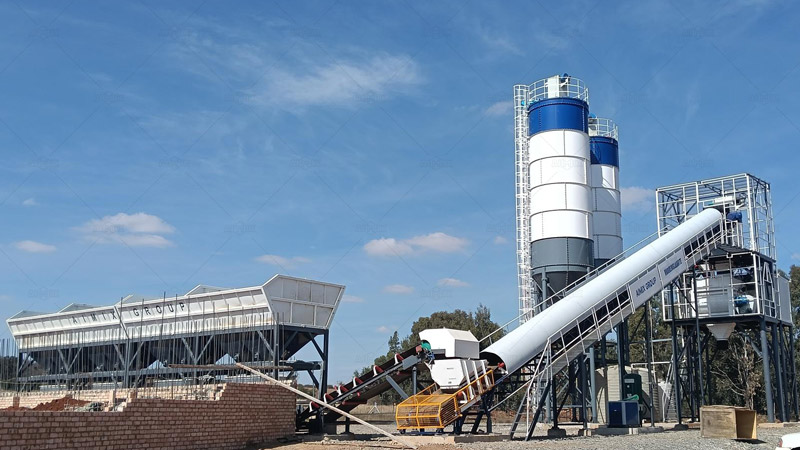
The cheapest maintenance is the maintenance you never have to do. When evaluating a concrete plant price(planta de concreto precio), it is tempting to compare only the headline figure. Yet a slightly higher upfront investment in wear-resistant liners, properly sized motors, and accessible component layouts often returns its cost within two or three years. A mini concrete plant, for instance, may seem less critical to optimise, but small units often run at higher utilisation rates relative to their capacity, meaning their wear per tonne can be surprisingly high.
Material Selection in High-Wear Zones
Mixer paddles, liners, skip rails, and discharge chutes absorb the brunt of abrasion. Specify chromium carbide or ceramic-embedded wear plates in these areas. They cost more per kilogram but can last three to five times longer than mild steel, cutting both part costs and the labour hours needed to swap them.
Layout for Maintainability
Ask yourself a simple question during specification: can a technician reach the bearings, belts, and sensors without dismantling half the plant? Poor access turns a twenty-minute greasing task into a two-hour job, and those hours compound. Concrete plants Colombia buyers increasingly demand modular designs for exactly this reason — quick-swap assemblies reduce downtime during peak pouring seasons.
Daily Habits That Extend Component Life
Most premature failures trace back to operating routines, not manufacturing defects. Building a culture of disciplined housekeeping is the single highest-return investment available to any plant manager.
- Wash-down discipline: Concrete residue hardens like stone. A consistent end-of-shift wash prevents buildup on mixer shafts, which otherwise throws blades out of balance and destroys bearings.
- Lubrication scheduling: Over-greasing is as damaging as under-greasing. Follow manufacturer intervals precisely and use the specified grease grade.
- Aggregate quality control: Excessive silt or oversized stone increases wear dramatically. Screening before the hopper is cheaper than replacing liners.
- Moisture probe calibration: Inaccurate readings force the mixer to work harder and longer, multiplying abrasion per batch.
Preventive Maintenance That Actually Works
Reactive maintenance is expensive; purely calendar-based maintenance is wasteful. The sweet spot is condition-based monitoring, where you inspect and replace based on actual wear data rather than the calendar alone.
Build a Wear Map
Document every high-wear point in your concrete plant(planta de concreto) and record thickness measurements monthly. After six months, you will see which components degrade fastest under your specific mix designs and aggregates. This transforms your spare parts budget from guesswork into forecasting.
Vibration and Temperature Monitoring
Bearing failures announce themselves weeks in advance through rising vibration and heat. Inexpensive sensors on mixer gearboxes, conveyor pulleys, and compressor units allow you to schedule replacement during planned shutdowns instead of emergency call-outs.
The Economics of Smaller and Regional Plants
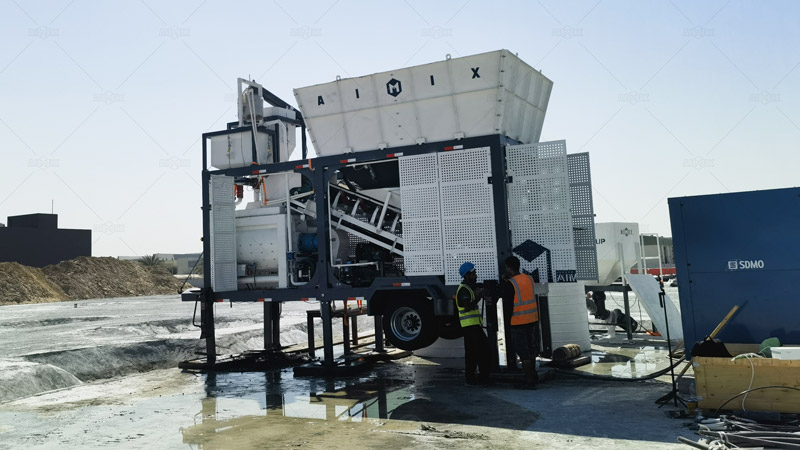
Owners of a mini concrete plant often assume economies of scale do not apply to them. In reality, small plants benefit disproportionately from wear reduction because a single unplanned stoppage can halt the entire operation. Similarly, businesses serving concrete plants Colombia(plantas de concreto Colombia) markets deal with logistical delays on imported spares, making on-site stockholding of critical wear items a genuine competitive advantage.
| Strategy | Typical Cost Saving | Payback Period |
|---|---|---|
| Ceramic wear liners | 30–50% on liner spend | 12–24 months |
| Condition monitoring | 20–35% on unplanned downtime | 6–12 months |
| Operator training | 10–20% on premature failures | Immediate |
Training: The Overlooked Lever
No liner, sensor, or grease schedule survives an operator who ignores warning signs. Invest in training that explains why procedures exist, not just what to do. When a loader operator understands that spilled aggregate on the belt path causes misalignment and edge tearing, compliance stops feeling arbitrary. Rotate technicians through different plant areas so knowledge is not siloed in one indispensable person.
Rethinking Spare Parts Strategy
Holding zero spares to save cash is a false economy when a single failed bearing idles a fleet of trucks. Categorise parts by criticality and lead time, then stock accordingly. For remote operations, partnering with a local fabricator who can reverse-engineer simple wear parts often beats waiting weeks for an OEM shipment. This is particularly relevant for concrete plants Colombia operators working far from major supply hubs.
Ultimately, reducing wear and maintenance costs is less about finding a magic component and more about building a system where design, daily discipline, monitoring, and training reinforce one another. The plants that master this compound approach do not just spend less on repairs — they win more contracts because their uptime is predictable. Whether you run a full-scale installation or a mini concrete plant(mini planta de concreto), the principles scale. Start with one wear map, one monitoring sensor, and one training session this month, and the savings will follow long before the next concrete plant price negotiation ever comes around.