Expanding national infrastructure networks across the African continent requires a steady supply of high-quality concrete. However, transport delays on remote roads can compromise material consistency before the pour begins. Therefore, contractors increasingly prefer on-site production systems to maintain strict project schedules. This comprehensive guide analyzes how to choose the right machinery for regional developments.
Regional Infrastructure Logistics and Site Challenges in African Markets
African construction sites present unique spatial and environmental constraints that require careful logistical planning. Consequently, selecting standard transport trucks often introduces unwanted variables to your daily schedule.
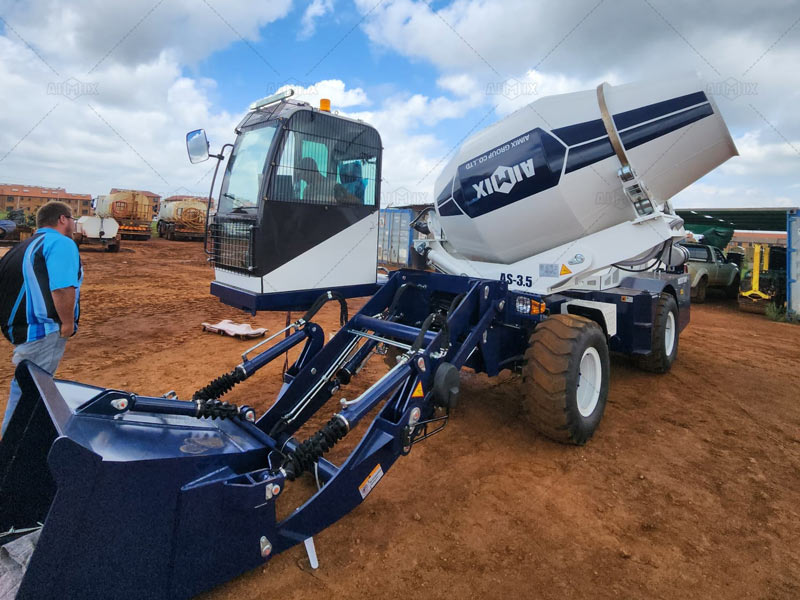
Mitigating Distance Bottlenecks and Early Cement Curing
Wet concrete begins its chemical setting process as soon as water touches the cement powder. During hot afternoon shifts, this chemical hydration process accelerates very rapidly. As a result, long transit delays degrade the final structural strength of your building foundations.
Using highly maneuverable mobile mixers completely resolves these spatial and distance bottlenecks. These compact units travel easily through unpaved lanes and muddy fields. Thus, your ground crew receives highly workable concrete exactly when they need it. This immediate placement prevents cold joints and ensures excellent structural durability.
Technical Sizing Parameters for Mobile Sourcing Choices
Procurement officers must analyze their average daily pour volume before investing in new concrete machinery. Choosing the wrong machine layout leads to excessive fuel consumption or unexpected site delays. Therefore, selecting a highly automated and versatile unit remains essential for your long-term profit.
The Efficiency of a Self-Loading Vehicle
Traditional concrete mixing setups require separate wheel loaders to feed raw sand and gravel. However, integrating a modern concrete mixer self loading machine into your fleet eliminates these separate support units. This specialized vehicle features an attached front bucket to scoop raw ingredients independently.
Furthermore, a single trained operator can manage the entire on-site mixing cycle alone. Consequently, you save on labor costs and eliminate concrete over-ordering waste. Most active contractors experience complete asset amortization within twelve months. These operational savings directly improve your competitive bid margins.
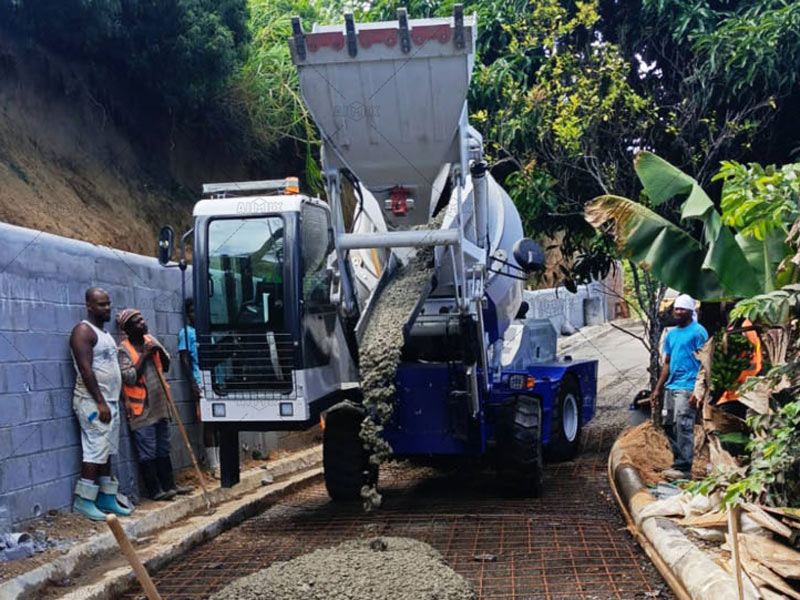
Advanced Features of an Automatic Mixer
Modern projects require precise aggregate formulas to meet strict civil engineering standards. Managing these raw materials manually often leads to expensive compounding mistakes. Therefore, utilizing an auto concrete mixer machine is a practical way to protect your budget.
These advanced machines utilize electronic load cells inside the loading bucket. Consequently, the onboard computer measures each raw material with high gravimetric precision. The operator monitors these weight measurements on a digital screen inside the cabin. This automated tracking system prevents human errors during the mixing process.
Regional Pricing and Market Valuation Trends
Acquiring heavy construction machinery represents a major long-term capital investment for your company. Therefore, fleet managers must look beyond the initial purchase price to calculate the true return. Several distinct regional factors directly influence the ultimate acquisition costs across different markets.
Analyzing East African Sourcing Costs
In East Africa, contractors face unique logistical imports and customs duties. First, the baseline concrete mixer price in kenya varies based on volumetric output. Second, the choice of the primary diesel power plant heavily influences the overall purchase cost.
Diesel-powered units remain the preferred choice for remote sites without stable grid power. Although these units require a higher initial investment, they lower your subsequent operating costs. Additionally, choosing high-durability steel drums prevents frequent repairs in abrasive environments.
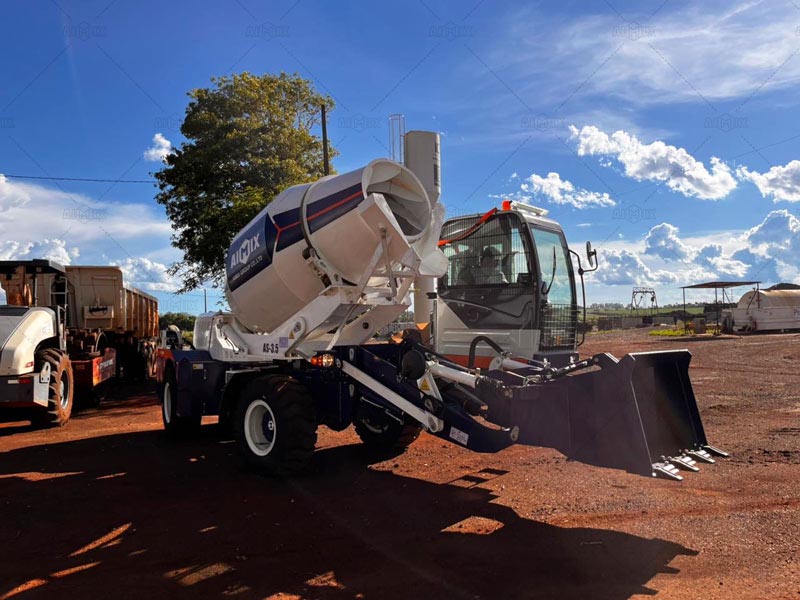
Budgeting for Southern African Fleet Assets
In Southern Africa, contractors must navigate unpredictable power grid failures and rising fuel costs. Therefore, finding a reliable concrete mixer for sale south africa suppliers can support remains critical. These local dealers often provide robust after-sales technical training and routine inspections.
Additionally, verify the local availability of replacement parts before signing any purchasing contracts. Having replacement hydraulic valves nearby prevents weeks of costly shipping delays. Local technical assistance minimizes machine downtime and protects your project timeline. Ultimately, a strategic supplier partnership ensures steady business growth.
Daily Field Maintenance in Dusty and Hot Environments
Operating heavy aggregate machinery in harsh climates puts intense physical stress on mechanical components. Fine sand dust can quickly damage high-pressure hydraulic seals and contaminate engine oil. Therefore, your site crew must implement a strict daily preventative maintenance checklist.
Standard Drum Washing and Lubrication Routines
First, wash the interior of the mixing drum thoroughly with water after every shift. Wet concrete sets rapidly in high ambient temperatures and destroys the internal blades. Over time, solid buildup inside the drum reduces the overall volumetric capacity.
Second, inspect all hydraulic lines and seals daily for signs of oil leaks. Spotting small leaks early prevents sudden system pressure loss during active concrete pours. Third, apply high-quality grease to the main drum rollers every morning. Proactive care significantly lowers your subsequent repair bills.
Environmental Benefits and Sustainability on Site
Modern building regulations require construction firms to minimize material waste and lower carbon emissions. Fortunately, localized concrete mixing offers significant environmental and economic benefits. These eco-friendly practices also improve your company’s public reputation.
Reducing Emissions and Materials Waste
Precise on-site batching ensures you only produce the exact concrete volume required. Thus, you eliminate aggregate waste and reduce landfill disposal fees significantly. Additionally, mobile units combine transport and mixing in a single vehicle chassis.
This integration reduces the total number of truck trips required daily. Consequently, you save fuel and lower localized greenhouse gas emissions. These sustainable practices frequently help your business secure green municipal building contracts. Ultimately, efficient resource management secures your profits.
Conclusion and Final Procurement Advice
Investing in a reliable concrete mixer secures your material supply chain. This asset solves transport delays and reduces your reliance on external suppliers. However, you should compare different models to find the perfect fit. Always prioritize high-quality wear parts over the lowest initial purchase price.
Define your daily volume targets clearly before selecting a final configuration. Partner with reliable regional dealers who offer robust spare parts support. Local technical assistance protects your project timeline and enhances corporate profits. Ultimately, a strategic machinery purchase ensures steady business growth.